Pages

Showing posts with label Term 3 2020. Show all posts

Thursday, September 17, 2020

Instrument Evaluation - Music

Instrument Evaluation

What have you studied in Music this term?

This term in music we have been studding different instruments, learning about their roles and how to play them. Piano/keyboard, Ukulele and Guitar.

Which instrument have you enjoyed and why? I have enjoyed playing the piano because it was the first instrument that I was interested in and could play, and wanted to learn more about it.

Which instrument did you find the most challenging and why? The guitar because I didn't know and understand any of the chords, which made it hard for me to learn and practice a song.

Which instrument are you going to focus on for the rest of the term and why? What would you like to achieve?

I will be focusing on the piano, so my fingers can get used to playing the keys without making any mistakes, and so I can get better at playing fluently.

I would like to make a achievement on playing different songs just by listening, instead of learning off the paper.

Tuesday, September 15, 2020

Mini Apple Sauce Muffins - Home Economics

Today in Home Economics, we made Mini Apple Sauce Muffins. It was once again another fun and quick lesson, my group cooperated and communicated really well. This time in cooking it was a little different, because each groups recipe was different to everyone else's, so our muffins didn't have similar tastes. Each group got to taste each others muffins and give their own opinions on them. Unfortunately I didnt get to try any because there were eggs inside of them, but I still had a good time.

My groups opinions on other groups muffins:

Group 1 : Original muffins - It was okay. It was creamy, nice blend, could use sweeter flavor and cinnamon.

Group 2 : Butter & Wholemeal flour - It was okay. It was quite soft in texture and could be more structured.

Group 3 : Canola & Wholemeal flour - It was okay. It was rough on the outside but the texture was soft in the inside. The blends were nice.

My Group : Butter & Soy -  My group thought the muffins were okay. They thought the muffins could of been better if it was more creamier, more flavor, sweetness and not too strong. 

Ingredients:
1 c Apple sauce
2 T Butter, melted & slightly cooled, or canola, a neutral oil
1 Egg, lightly beaten
1/2 c milk or soy milk
1 t vanilla essence
1 c wholemeal flour or white flour
1/2 c rolled oats
1/4 c sugar
1 t baking powder
1/2 t baking soda
1 t cinnamon

Cooking Method:
1. Preheat oven to 180°C and grease mini muffin tins or line with paper cases.

2. In a small bowl, use a fork to whisk together the apple sauce, melted butter, milk, egg and vanilla (liquid ingredients)

3. Add liquid ingredients to the flour, oats, baking powder, baking soda, cinnamon and sugar - gently fold together.

4. Fill the muffin tins / paper cases (mini ones) to 3/4 full.

5. Bake about 10 minutes or until cooked.

6. Remove from oven. Let cool for 2 minutes before removing from muffin tins.

Here are some photos of the cooking process and the finished result:
Hope you enjoy.


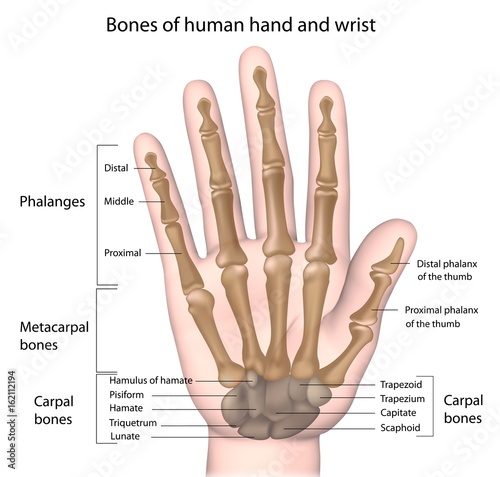
Hands - Science

How does your hand work and what are the parts?

Bones:
There are 27 bones in your hand:
1. 8 bones in your wrist
2. 5 bones in your palms
3. 14 bones for your fingers and thumb

Tendons:
What is a tendon?
A tendon is a stringy connective tissue which attaches muscle of the forearm bone to the phalanges which let your fingers move up and down. Tendons also attach muscles to structures such as the eyeball.  

Muscles:

The muscles in your hand are thumb muscles, palmar muscles and little finger muscles. The main muscles that you use to move your fingers are the ones in your forearm, which is called the flexor digitorum profundus. This muscle is mainly used to control the tendons. It does this by contracting and relaxing. 

Ligaments: 
Ligaments are strong bands of tissue, that connect bone to bone. It makes sure that your hands are moving the right way. The ligaments protects these structures and prevents them from bending, twisting or tearing. They basically help to maintain stability in the body. 


Bones of the hand, labeled. - Buy this stock illustration and explore  similar illustrations at Adobe Stock | Adobe Stock

Film Techniques - English

In English, I have been working on the extension task which is film techniques. The task was focusing on camera angles and lighting techniques. I have displayed this on a google document and I hope you learn something from this and like it.
Here is the document and link to the work:


Film Techniques

Thursday, September 10, 2020

The Guitar - Music

- Add a picture of a labelled Guitar (Acoustic)

Guitar Anatomy 101: Parts Of A Guitar, Strings Labeled & Fret Numbering

- What is challenging about playing/learning the guitar?
Its difficult to hold and play the chords/strings.

- What are the difference between guitar and ukulele?

  • Guitar is bigger than a Ukulele.
  • The Guitar has six strings and the ukulele has four string.


- Which one is better? (easier for you to play and why?
A ukulele because its easy to hold and their are less strings, but at the same time they're both cool to learn and play.


- Find a song that you like where guitar is the main instrument
Thinking out loud - Ed Sheeran
I like how its slow, calming and soothing with him singing at the same time. 

Tuesday, September 8, 2020

Camera Shots, Camera Angles, Camera Movements

Today in English, we had to create a Visual Dictionary on Camera Shots, Camera Angles and Camera Movements, where you have a photo showing the definition of each concept. I have displayed this on google drawings, mindmup and google documents, and I hope you learn something from this and like it.


Different types of camera shots:


Different types of camera Angles:


Camera Movements:

Apple Crumble - Home Economics

Today in Home Economics, we made Apple Crumble. In my group is Axle, Miah and Tai. It was a fun, quick lesson and my group once again cooperated and communicated really well and got the food made on time.  

My thoughts on the Apple Crumble was delicious. The apples were well cooked and soft, the crumble was really good, you could taste the cinnamon which gave the whole thing flavor and made it enjoyable. 
This might be my favourite dish out of all of the other ones.
Overall I enjoyed cooking again, and I can't wait for the following lessons.

Ingredients:
- 1/2 C Flour
- 1/2 - 3/4 t Cinnamon
- 1/2 c brown sugar
- 75g cold butter
-3/4 c rolled oats 
- 2 - 3 medium sized Apples
- 1 D White Sugar
- 1 T water
 
Cooking Method:
Pre heat oven to 180°C

1. Put flour, cinnamon and brown sugar into a medium bowl.
2. Rub butter lightly into the flour mixture.
3. Add rolled oats and mix with a fork.
4. Peel and quarter the apples. Cut core out and slice each quarter into thin slices.
5. Divide evenly and place into 2 greased pie dishes.
6. Sprinkle with white sugar and water.
7. Spoon this mixture evenly over the apples to cover them.
8. Bake on Fan bake for 10-15 min or until edge is going brown.

Here are some photos of the cooking process and the finished result:
Hope you enjoy.


Friday, September 4, 2020

Language of Film - English

Language of Film Dictionary

Body language - Used to recognize the feelings of the played character.

Costumes - Used to show details of a characters personality.

Hairstyles - Related to costumes, used to tell the personality of a character. 

Make-up - Used to transform a actor to look similar to the played character.

Colour - Used to put a mood to a scene. Example: Blue means sad and yellow means happy.

Lighting - Used to make something important to stand out, and to make the film clear for people to see and understand better. 

Props - Used to make a scene realistic or more eye catching. 

Settings -  Used to establish a situation or mood. It helps the audience to understand the actions and emotions in the lives of the characters.

Dialogue - Used to make films seem mature and solidly crafted.

Sound Effects - Used to make a film realistic and more attracting.

Music - Used to create the perfect mood in a particular scene, by setting the right tone for the plot moment.

Silence - Used to create a serious mood or sincerity in acting.

Symbols - An object, used to suggest new ideas.

Special FX - Used to make the film look more realistic.

What am I learning?
I am learning film languages and film study.

How does this work show my learning?
By writing in my own definitions for each languages used in film.

What am I wondering as a result of this learning?
I am wondering how long it takes to make a film using all these languages.

Thursday, September 3, 2020

Ukulele Research - Music

Describe your study of Ukulele: Have you enjoyed it? Found it hard/easy?
It has been fun and enjoyable learning the ukulele but I found it difficult to understand the chords when playing songs.

Where is the ukulele from? Where was it formed? By who?
Where it was from and made: Hawaii
The inventor: Manuel Nunes

Add a labelled picture of the ukulele:

Parts of the Ukulele » Singing for Love

Which song have you been learning? Add the video link of the tutorial.
Just the way you are - Bruno Mars
Tutorial Just the way you are

Tuesday, September 1, 2020

Potato Frittata - Home Economics

Today in Home Economics, we made Frittata. This time I changed groups and worked together with Axle, Jaxon and Miah. It was a better lesson and my group cooperated and communicated really well and got the food made on time.  

In our Frittata we had beaten eggs, cheese, potatoes, vegetables such as, peas, corn, broccoli and spinach, and more. Unfortunately I am allergic to eggs so I didn't get to try out the Frittata. My groups thoughts on the cooking was alright and they suggested next time to add more garlic, vegetables and salt and pepper, for more flavor and taste. 

Overall I enjoyed cooking again, and I can't wait for the following lessons.

Ingredients:

- 2c cold cooked potatoes - cut into 15mm cubes
- 3-4 Eggs
- Vegetables oil
- Seasonings - Salt and ground Black Pepper
- 3/4 c grated cheese
- 1 T finely chopped Parsley
- 1/2 c vegetables - cooked peas, finely chopped red capsicum, blanched broccoli, diced onion (sauteed), spinach leaves, cooked corn, chopped spring onion, left over roasted vegetables etc.

Cooking Method:

1. Heat 2T oil in frying pan on a meduim heat. Add diced potatoes and cook for 5 minutes, turning carefully until potato cubes begin to lightly brown. Do not over cook. Remove pan from heat.

2. In a medium sized bowl whisk the eggs and the seasonings. Add the hot cooked potato cubes, the other (warmed if possible) cooked vegetables, parsley and 1/4 c of the cheese and gently stir to combine.

3. Put pan back on to a medium heat with 1-2t of oil. Once heated, pour in the egg, potato and vegetables mixture, shaking pan gently to avoid mixture sticking.

4. Turn heat to medium low and cook for  5-7 minutes until mixture is golden underneath and nearly set. 

5. Sprinkle with remaining grated cheese.

6. Place pan under hot grill (Do not burn handle of pan) for 2-3 minutes until top is golden.

7. Cut into wedges or how you like, serve and enjoy.

Here are some photos of the cooking process and the finished result:
Hope you enjoy.


Tuesday, August 25, 2020

Mac n Cheese - Home Economics

Today in Home Economics, we made Mac n Cheese. This time in my group I had Toni and Abbagale. Our Mac n Cheese had Ham, Elbows Pasta, Tomatoes, Cheese and more. My group did well today with not many arguments, so today was better. The taste results was actually good but it was too salty. It was salty because we added the salt into the sauce instead of the pasta. 

Overall I enjoyed cooking again, and I can't wait for the following lessons.

Ingredients:

- 2L Water
- 2 t salt
- 1 1/2 c Pasta
- 3 T Butter
- 3 T Cornflour
- 2 c Milk
- 1c Cheese - Grated
- 1 Tomato - Sliced

Cooking Method:

1. Bring water to boil. Add salt and pasta. Boil for 12-15 minutes then drain.

2. Pre heat oven to 180°C fan bake.

3. Melt butter in saucepan. Gently saute onion and Garlic (optional). Stir in cornflour and cook, stirring, until bubbles appear on surface (cooking the roux)

4. Remove from heat and gradually add milk and grainy mustard (optional), stirring constantly.

5. Return to heat and cook stirring constantly until it boil and thickens.

6. Remove sauce from heat, gently stir in cheese and parsley (optional), season with salt and ground black pepper (optional).

7.Stir cooked pasta gently into sauce and pour into a greased ovenproof dish.

8. Put tomato slices on top, sprinkle over some breadcrumbs (optional) and some extra cheese.

9. Bake for 15-20 minutes until well heated through.


Here are some photos of the cooking process:
Hope you enjoy.


Thursday, August 20, 2020

Piano Research - Music

The Piano

1. Where was the piano invented and by who?
Inventor: Bartolomeo Cristofori
Where it was invented: Italy

2. What did the first piano look like?

The Piano: The Pianofortes of Bartolomeo Cristofori (1655–1731 ...

3. What is the difference between a piano and a keyboard?
A piano is an acoustic instrument with weighted keys.
A keyboard is an electric instrument.

4. What have you enjoyed about learning the piano/keyboard? 
I have enjoyed learning the different keys and how they are different in all kinds of music. 

What have you found challenging?
I found adding my left hand, playing the piano challenging.

Tuesday, August 18, 2020

Spaghetti Bolognese - Home Economics

Today in Home Economics, we made Spaghetti Bolognese. Our Spaghetti Bolognese had carrots, spaghetti, tomatoes, mince, cheese and more. My group did well today better than last time, which we are still improving on. The taste results was okay because our spaghetti was still a bit raw, but I still enjoyed it. Overall cooking was good once again, and I can't wait for the following more.

Ingredients:

- Olive Oil
- Onion
- Garlic
- Carrots
- Celery
- Mince
- Basil
- Can of tomatoes
- Tomato puree
- Spaghetti Sticks

Cooking Method:

1. Heat the oil in a large pot and add the onion and garlic.
2. Cook for 2-3 minutes, stir frequently until onion is soft.
3. Stir in carrots a celery and cook for another minute. 
4. Add mince, stirring until the beef has lost its pink colour.
5. Add basil, tomatoes and tomato puree.
6. Bring mixture to boil then reduce the heat to a gentle simmer and cover for 10-15 minutes.
7. Boil water and then add spaghetti sticks to cook for 10-12 minutes.
8. Drain spaghetti and toss with a little olive oil to avoid sticking.
9. Then arrange your plates dividing the mixture up evenly.
10. Serve and enjoy.

Here are some photos of the cooking process:
Hope you enjoy.


Monday, August 17, 2020

Wonderings - Wananga

Wonderings

What is the meaning of life? 
The meaning of life is to fulfill your purpose in life and accomplish your goals. The meaning of this is, everyone has a purpose, of why they are living. 


You can be a great leader and also have a life.” | Initiate Consulting


Why is water clear?
Water is composed of hydrogen and oxygen. Both elements are gases in nature and are invisible. This gives the water a cloudy appearance commonly called turbidity.  


Government puts deal on table for local authorities: You give up ...
 

Friday, August 14, 2020

Lemon Power

Lemon Power

Voltage: Voltage is the energy that electrons get from a power supply.

Current: Current is the movement of electrons.

Aim: To create voltages out of lemons.

Method:

  • Roll the lemon out so the inside is liquidy. 
  • Stick pieces of zinc and copper into the lemon.
  • Connect the lemon up to a voltmeter.
Results:

1. 2


3. 2.3


Discussion:
When we rolled the lemons we made the inside liquidy. Because we rolled the lemon we freed the acidicly charged particles. The acidicly charged particles moved around, creating a current. More lemons, more acidicly charged particles, means more voltage.

Conclusion:
This experiment worked successfully and we got different results by trying different strategies. Overall I enjoyed today's lesson and I'm looking forward to the following lessons.

Tuesday, August 11, 2020

Nachos - Home Economics

Today in Home Economics, this time we made Nachos. In our Nachos we had Peas, Corn, Beans, Mushroom and corn chips. My group did a little better working together today but its still a work in progress. The taste results was better and I enjoyed every bit. Overall today's cooking lesson was good, and I can't wait for the following more.

Ingredients:

- Oil
- Mushrooms
- Onion
- Corn
- Beans
- Tomatoes (Chopped)
-Corn Chips
- Grated Cheese

Cooking Method:

1. Gather equipment & ingredients in correct amounts.
Reheat the grill to high.

2. Slice mushrooms
3. In a large non-stick pan:
Saute onion with a 1T of Oil for 2-3 mins (until clear)

4. To the pan add:
Corn, beans, 1/2 can of tomatoes, 1/2 can of beans
Stir, for 3-4 minutes until tomato is just softened

5. Arrange a large handful of corn chips around a plate
Spoon the bean mixture into the middle of the plate
Sprinkle cheese on top, place under the grill to melt

6. Remove from oven with gloves
Serve with sour cream (Optional)

Here is a similar photo of our Nachos:

Quick and Easy Nachos | FreshChoice

Thursday, August 6, 2020

Chicken Stir Fry - Home Economics

Today in Home Economics we made chicken stir fry. In our chicken stir fry we had chicken, carrots, broccoli, onion, peas, corn and noodles. The taste results was okay but I think I could do better. It was a difficult and stressful lesson and I hope next time will be better.  Overall I enjoyed today's cooking lesson, and I can't wait for the following more.


Ingredients:

- Chicken (Breast) 
- Carrots
- Onion
- Broccoli
- Sesame Oil
- Noodles
- Peas 
- Corn


Cooking Method:

1. Chop up chicken into strips.
2. Place in glass bowl with sesame oil.
3. Chop up vegetables in julienne strips.
4. Saute (Brown) chicken and onions together.
5. Add broccoli and carrots and cook for 5 minutes.
6. Add remaining vegetables of your choice and cook for a further 5 mins.
7. Boil a pot of water
8. Place the broken noodles into the boiling water and cook for 2 mins.
9. Drain noodles in a colander and add to the vegetables and chicken mixture.
10. Serve and enjoy

Here is a similar photo of our chicken stir fry:

Chicken Stir Fry with Rice Noodles (30 minute meal)

Wednesday, July 29, 2020

Cooking - Home Economics

Today in Home Economics we started our first practical activity. The food we made was a healthy pita pocket. We had to get into groups of 4 and I was with Keyana, Tiaoa and Keghan. In my pita pocket I had ham, carrots, lettuce, cheese and tomato sauce. The taste results was okay but I think I could do better next time. We got scored from 1-3 of how good it turned out and the score I got was two and a half. Overall it was a short and easy session and I had a good time, and I can't wait for the following more.

Ingredients:

- Pita
- Carrots
- Cheese
- Lettuce
- Ham
- Sauces/ Tomato sauce and Mayonnaise
- Onion

Cooking Method/steps:

1. We collected the ingredients and equipment.
2. We started grating the cheese and peeling the carrots then slicing them.   
3. We cut around the edge of the pita, but not all the way.
4. Then we added our fillings inside of our pita pockets, carefully.
5. Finally we either eat and enjoy or save it in our lunch boxes for later.

Here is a example of what our pita pockets looked like:
Unfortunately I didn't have time to take a photo of my ending results.

Veggie Pita Pocket | Kraft What's Cooking